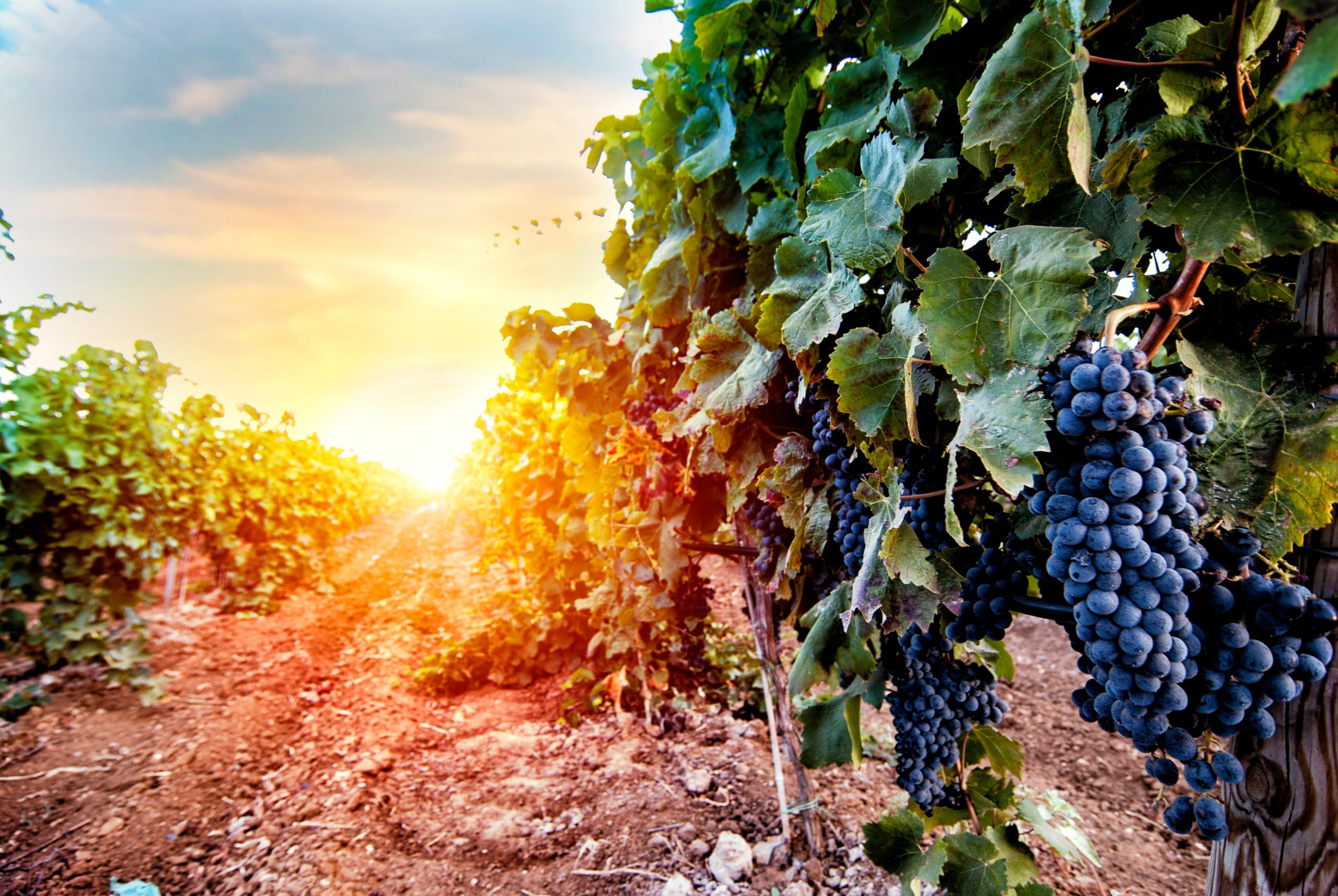

The 2026 harvest on the Hemel-en-Aarde Ridge has officially drawn to a close, with local cellars reporting a vintage defined by remarkable fruit concentration and precision. Despite a dry growing season and unpredictable late-summer rainfall, winemakers across the three contiguous wards of the valley have successfully brought in a crop that promises to uphold the region’s global reputation for cool-climate excellence.
The growing season progressed steadily across the Overberg, with dry conditions initially bringing the picking calendar forward. At La Vierge Farm, the harvest began earlier than usual, with Chardonnay leading the way into the cellar in mid-February. According to local cellar reports, winter rains had fortunately replenished soil moisture levels, allowing the region’s famous clay-rich Bokkeveld shale soils to sustain the dryland-farmed vines through the warm, dry summer months.
However, the vintage was not without its challenges. As the harvest hit its stride, late-season rainfall set in across the ridge, requiring highly deliberate, real-time vineyard decisions. Winemakers were forced to navigate a narrow picking window, balancing the sugar accumulation slowed by the rain against the need to protect late-ripening parcels.
Precision winemaking shapes the vintage
According to reporting from La Vierge Farm, this year’s yields were notably higher, characterized by larger, healthy bunches across the vineyards. While the fruit concentration across both early Chardonnay and Pinot Noir blocks is exceptionally strong, some parcels showed slightly lower acidity levels than is typical for the valley, requiring meticulous management during processing.
To handle the unique kinetics of the 2026 fruit, local estates have heavily invested in cellar precision. Advanced sorting, traditional gravity-fed systems, and modern equipment like newly imported German wine presses have been deployed to maximize juice quality. The young wines are now settling into a diverse mix of maturation vessels, including stainless steel, amphorae, concrete eggs, and traditional French oak barriques, as winemakers focus on low-intervention methods to let the distinct maritime terroir speak clearly.