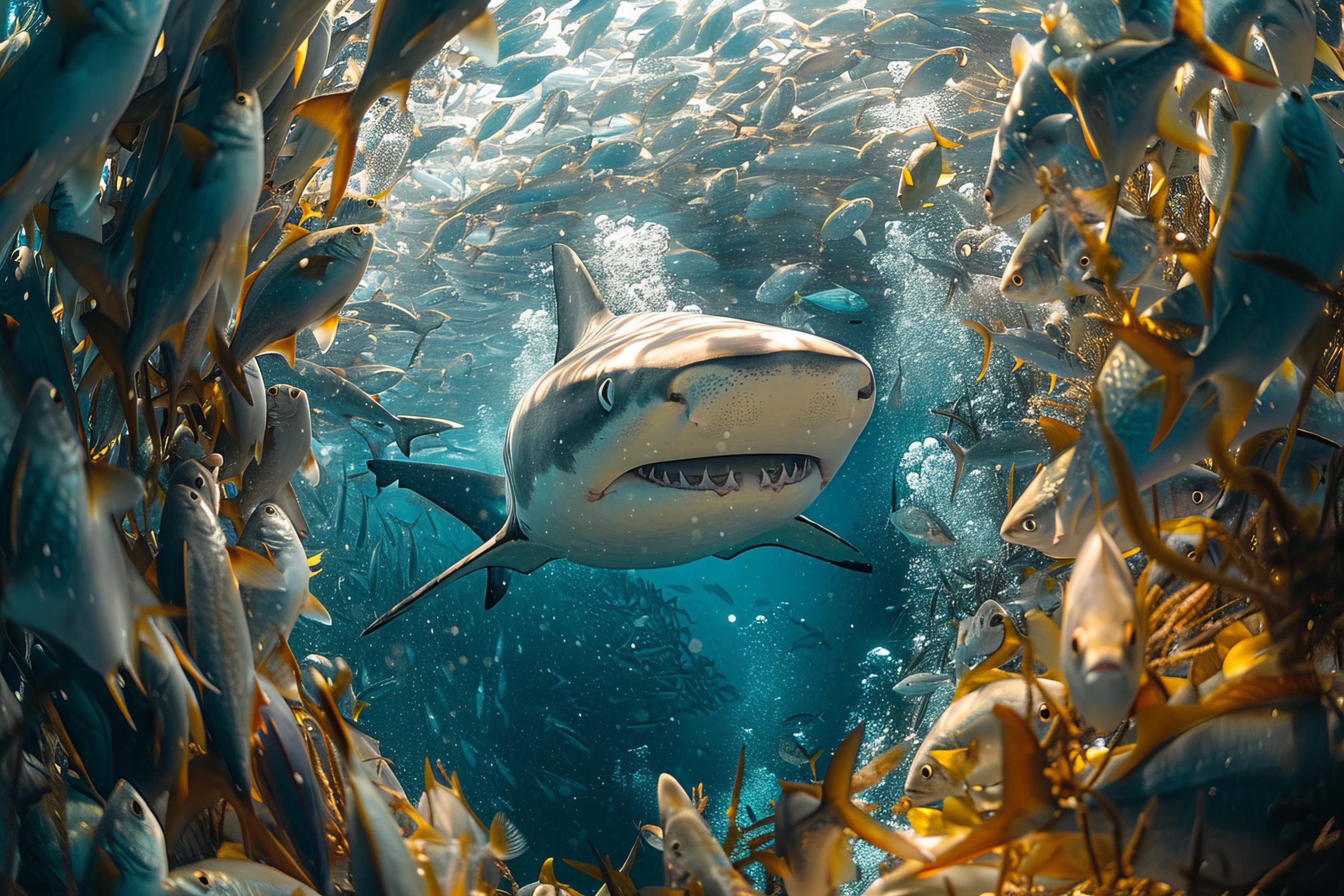

Recent marine surveys off the coast of Gansbaai reveal a shifting dynamic in local shark populations, with a significant increase in bronze whaler shark activity. The encouraging data comes after more than a decade of fluctuating predator numbers that deeply impacted the local marine eco-tourism sector and raised questions about the stability of the immediate ecosystem. Local research bodies have been working around the clock to understand these structural changes.
Gansbaai is traditionally known across the globe as a premier hotspot for apex predators, drawing thousands of adventure travellers every year to the Overberg region. However, the consistent presence of resident pod orcas, known specifically for preying on sharks for their nutrient-rich livers, forced a massive redistribution of various shark species along the wider Western Cape coast. This ecological shake-up left many local boat operators searching for answers as traditional white shark sightings declined.
The sustained increase in bronze whaler sharks has kept the local cage-diving industry active and viable. These sharks are highly collaborative predators, often appearing in large, energetic numbers around diving vessels, which offers excellent alternative opportunities for marine education, wildlife photography, and sustainable tourism. They have proven to be incredible ambassadors for marine conservation in the region.
Tracking the apex predator movement
Marine biologists working within the Dyer Island nature reserve continue to monitor the intricate balance between arriving orcas and local shark species. While great white shark sightings remain highly unpredictable compared to historical data, the broader marine ecosystem is showing clear signs of adapting to these intense predatory pressures. The resilience of the marine environment has surprised many seasoned researchers.
Local conservation groups emphasise that these population shifts are natural evolutionary responses to environmental changes and top-down predator influence. Continued data collection helps authorities manage the marine protected areas effectively while supporting a sustainable coastal economy that relies heavily on ocean biodiversity. By understanding these movements, Gansbaai can continue to position itself as a world-leading marine wildlife destination.